The Ultimate Guide to Compliance for Canadian Food Industry Leaders

The food industry in Canada is a dynamic and rapidly evolving sector that requires strict adherence to compliance regulations. Ensuring your business meets these standards is crucial not only for consumer safety but also for maintaining your brand’s reputation. This guide aims to provide Canadian food industry leaders with a comprehensive understanding of compliance requirements.
Understanding Canadian Food Safety Regulations
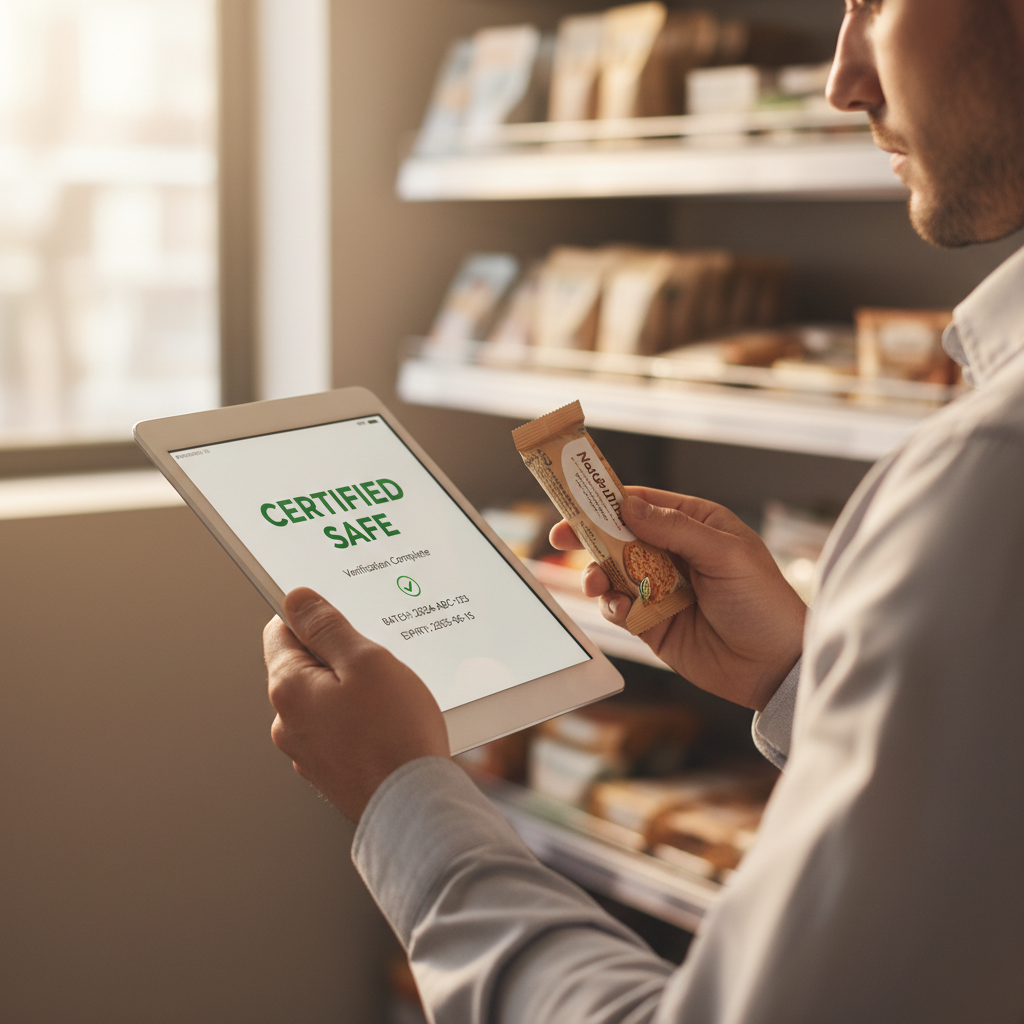
Food safety regulations in Canada are primarily governed by the Canadian Food Inspection Agency (CFIA). The CFIA ensures that food products sold in the country are safe, properly labeled, and of high quality. Compliance involves understanding and adhering to the Safe Food for Canadians Regulations (SFCR), which apply to all food businesses involved in interprovincial trade or exporting goods.
Leaders must familiarize themselves with the various sections of the SFCR, which cover areas such as licensing, traceability, and preventive controls. These regulations are designed to prevent foodborne illnesses and promote transparency in the food supply chain.
Licensing and Registration
Obtaining the appropriate licenses is a fundamental step for food businesses. Companies must register with the CFIA and acquire licenses that correspond to the nature of their operations. Failure to do so can result in significant fines and legal actions.

Implementing Preventive Controls
Preventive controls are essential for mitigating risks associated with food production. These controls involve proactive measures to ensure food safety, such as implementing Hazard Analysis Critical Control Points (HACCP) systems. Leaders should establish comprehensive plans that identify potential hazards and outline corrective actions.
Regular audits and inspections are part of maintaining compliance. These assessments allow businesses to identify areas for improvement and ensure ongoing adherence to regulations.
Traceability and Record Keeping
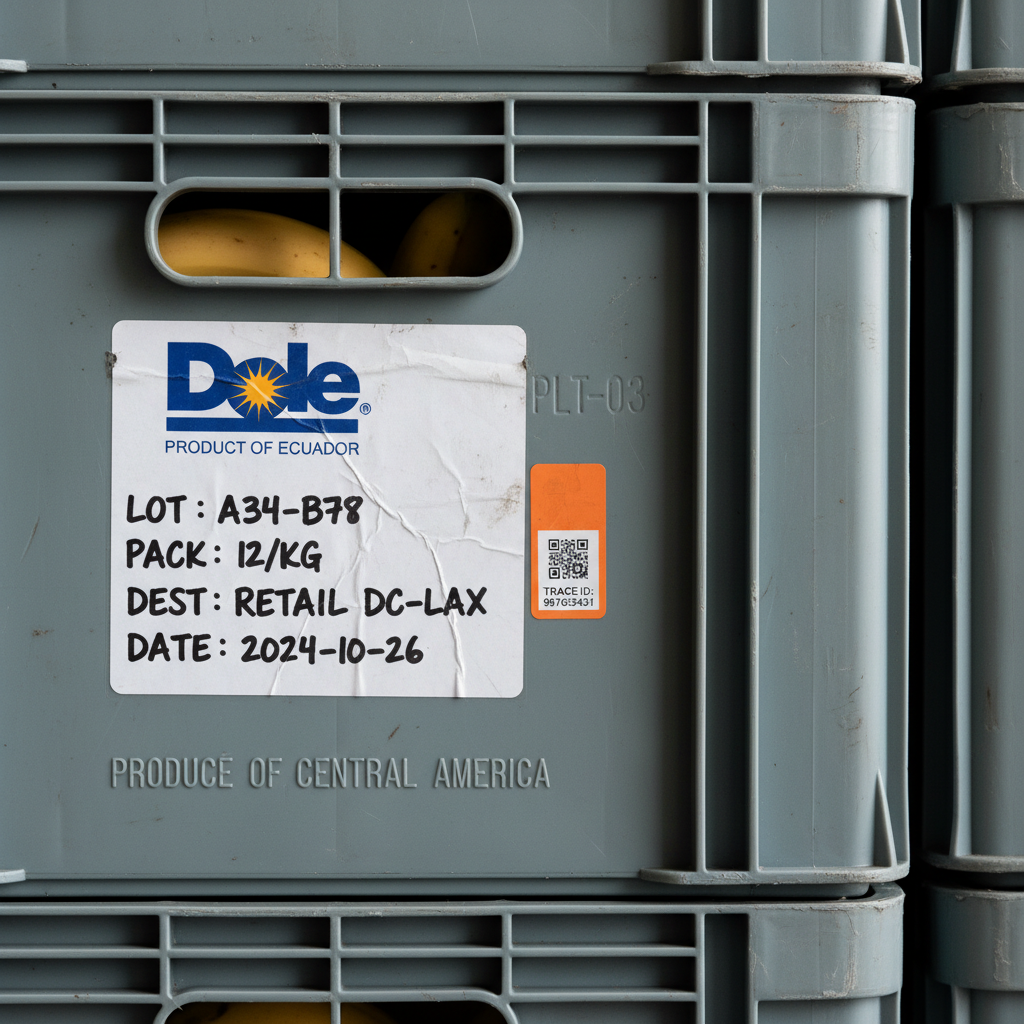
Traceability systems are crucial for tracking food products throughout the supply chain. Effective record-keeping allows businesses to quickly respond to recalls and trace the source of any contamination. Leaders must ensure that their traceability systems are robust and reliable.
Training and Education
Continuous training and education are vital for compliance in the food industry. Employees must be well-versed in food safety practices and understand the importance of regulations. Providing regular training sessions helps maintain a culture of safety and accountability within the organization.
Investing in education not only ensures compliance but also empowers employees to take proactive steps in maintaining safety standards.
Staying Updated with Regulatory Changes
The regulatory landscape is constantly evolving, and staying updated on changes is crucial for compliance. Leaders should subscribe to industry newsletters, attend workshops, and engage with professional networks to stay informed about new regulations and best practices.
By staying ahead of regulatory changes, food industry leaders can ensure their businesses remain compliant and competitive in the market.